
Taghazout Pointbreak Guide: Best Intermediate Waves, Daily Criteria & Hazards

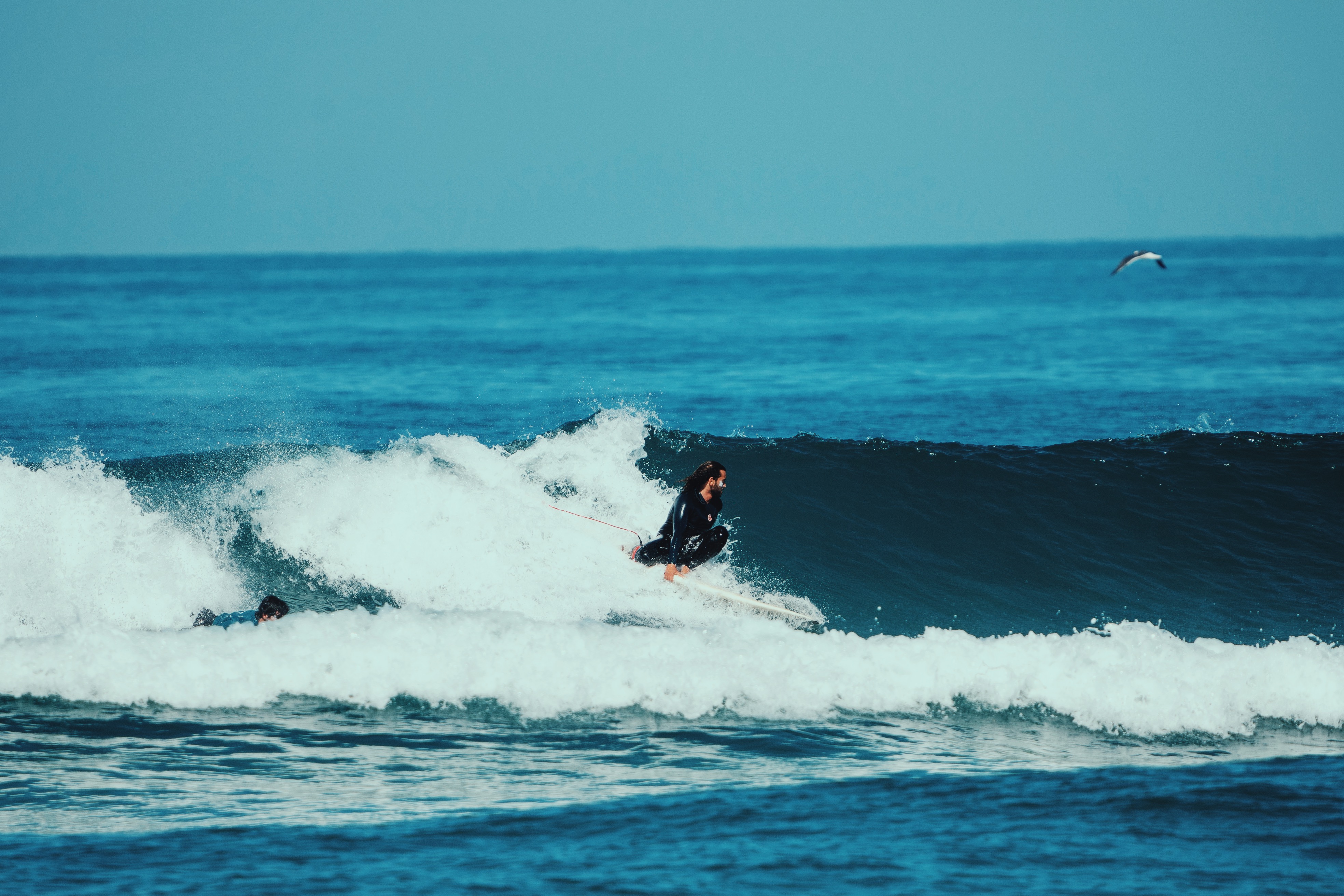
Taghazout Intermediate Surf: Spot Selection Guide
Surfing Taghazout’s points as an intermediate is all about choosing the right wave on the right day. When you match your skills with the right spot, you feel in control, catch more waves, and progress faster. When you get it wrong, you waste energy, get rattled, and sometimes scare yourself for no reason.
Here in Taghazout Bay, you are spoiled with options. Long right-hand points, a relaxed local vibe, and playful walls that reward good timing all sit side by side. This guide walks through how to pick the best point break each day, what level you really need for each spot, and which hazards to respect so you can keep enjoying the ride.
Pick the Right Point Break and Unlock Faster Progress
Stand on the hill above Anchor Point or down by Devil’s Rock, and it can be hard to decide where to paddle out. The sets look tempting, the lines are long, and every spot seems like it could be “the one” for a breakthrough session.
Taghazout Bay is perfect for growing intermediates because:
• The coastline is stacked with right-hand points, beach breaks, and reefs
• Many waves peel for a long time, giving you space to practice timing and turns
• The overall feel in the water is relaxed compared to many crowded surf zones
When we say “intermediate-friendly” here, we mean surfers who can:
• Paddle into unbroken waves on their own
• Angle the board and trim down the line
• Start working on bottom turns and basic cutbacks
• But who are not yet comfortable in heavy, hollow, or super crowded conditions
Our aim is to give you a practical way to choose your spot based on swell, tide, wind, your skills, and common hazards. Local surf guiding in Morocco fits in as the final filter: someone on the beach with you, reading your surfing and the ocean in real time.
How to Match Today’s Conditions to Your Skill Level
You do not need to read a surf forecast like a pro coach to make smart choices. As an intermediate, focus on a few core details rather than chasing “perfect” numbers.
Key forecast pieces to check:
• Swell height: how big the waves will feel
• Swell period: how much power and push the swell has
• Swell direction: which points will be best aligned
• Wind: offshore or light winds in the morning are usually cleanest
• Tide: some points prefer mid tide, others like higher water
Spring in Taghazout Bay usually means more playful swells, fewer heavy days, and a lot of clean mornings. That makes this time of year great for building confidence on the points, without feeling overwhelmed every second set.
As a simple rule for most intermediates on local point breaks:
• Small to medium swell, about 1 to 4 feet with a reasonable period
• Light or offshore winds early, before the sea breeze or onshore wind kicks up
• A mix of mid and higher tides, unless you know a spot that really needs low tide
If the forecast jumps up and the points start looking heavy, it can be smarter to “step down” to friendlier beach breaks or softer inside peaks. This is where experienced surf guiding in Morocco is helpful, because every spot has quirks that are not obvious on an app.
Taghazout’s Classic Points for Growing Intermediates
Anchor Point
On smaller and cleaner days, Anchor can absolutely work for confident intermediates. The wave is longer and more powerful than the softer Tamraght peaks, so it is best when the swell drops and the crowd is less intense.
You should be:
• Confident with your paddling and timing
• Able to handle a rock entry and exit with guidance
• Aware of basic lineup rules and priority
Hazards to keep in mind:
• Exposed rocks in the lineup and on the inside
• A strong current along the point on bigger swells
• A focused takeoff zone that can get busy and competitive
Panorama and Devil’s Rock
These are often the first “real” point-style waves that feel fun, not scary, for many intermediates. You get mellow takeoff zones, a sand and rock mix underfoot, and simple channels to paddle out.
You should be able to:
• Angle your takeoffs so you can go down the line
• Trim along the face and keep speed through soft sections
• Stay calm in a busier lineup with learners and longboards
Watch for:
• Punchy shorebreak on higher tides
• Crowds with foam boards spread across the inside
• Dropping in on locals or snaking by mistake if you are not watching carefully
Hash Point
Hash is your gentle backup when more exposed points are a bit too strong. The wave tends to be slower and softer, so it is perfect when you want time to think about your turns.
You should be:
• Patient, because sets can be less frequent
• Able to create your own speed with pumps and trims
• Comfortable riding through flatter sections without stalling
Hazards:
• Long flat parts that can kill speed if you stand in the wrong place
• Backwash on some tides
• Rocks showing at very low tides near the shore and in the inside zone
Southern Gems and Secret-Feeling Setups for Intermediates
Km 11 and Km 12
Just down the coast, these points can light up for intermediates on the right swell and tide. The waves often have a bit more push, so you can feel what it is like to tap into extra speed and hold your line.
You should have:
• Good paddling stamina for longer paddles and more current
• Comfort with slightly stronger waves than the mellow Tamraght peaks
• Enough control to manage speed and not just race straight
Hazards:
• Shifting rips along the point
• Tricky currents that pull you wide on bigger days
• Shallow sections on low tide, where you really do not want to fall flat
Imsouane Bay (Bonus Day Trip)
The long right in the bay is famous for a reason. For intermediates, it is like a moving skatepark where you can practice linking turns, cutbacks, and flow for a very long time on one wave.
You should bring:
• Enough endurance for long rides and the paddle back
• Basic crowd skills and respect for right-of-way rules
• The patience to wait your turn and pick the better set of waves
Hazards:
• Tired arms from the length of the wave and paddle route
• Getting stuck inside when sets stack up on the reform
• Drifting too deep into the bay and having a long paddle back to the peak
Good local surf guiding in Morocco ties all these options together. Instead of seeing each wave as separate, your guide reads the whole coast like a system and helps you move up or down it as conditions and your confidence change.
Spot-by-Spot Skill Checklists and Hazard Snapshots
Use these quick checklists as a simple “you are ready if” guide.
Anchor Point
You are ready if you:
• Can paddle out through channels without panicking
• Know how to wait for your turn and choose cleaner set waves
• Are okay with a coached rock entry and exit
Killer Point
You are ready if you:
• Have strong paddling and are used to longer points
• Can handle more powerful walls without freezing on the drop
• Stay calm when sets roll through and push you wide
Panorama / Devil’s Rock
You are ready if you:
• Catch green waves alone most sessions
• Can angle takeoffs and ride along the face
• Feel okay sharing the lineup with many other surfers
Hash Point
You are ready if you:
• Want mellow, slower waves to work on technique
• Are fine dealing with backwash and fat sections
• Can paddle back out through small reforms without stress
Spring Beach Breaks
You are ready if you:
• Want a softer option when points are too big
• Are happy with shorter rides and more paddling
• Can handle shifting peaks and occasional closeouts
Common hazards and basic safety:
• Rock shelves and urchins: always study the entry and exit with someone who knows the spot, and consider booties in the beginning
• Rips and longshore currents: use channels as your paddle-out path instead of fighting the whitewater straight on
• Lineup etiquette: priority usually goes to the surfer deepest on the peak, watch body language, smile, and respect locals to keep things friendly
Know when to sit it out or change spots. If you feel panic on the paddle out, see too many heavy closeouts, or the crowd feels out of control, it is completely fine to step back. A good guide or coach will often suggest a safer or calmer wave rather than pushing you somewhere that does not match your skills.
Turn Every Session Into Progress with Local Guidance
With the right support, this point break-by-point break guide turns into a real daily plan. That is the heart of surf guiding in Morocco: choosing the wave that matches how you are surfing today, not just the wave that looks best on social media.
At Salt House Morocco, we focus on adult intermediates who want that kind of thoughtful, step-by-step progress. Small groups, pro coaching, guided rock entries, and honest debriefs at the end of each day help you understand why a certain spot was picked and what you actually improved. Spring in Taghazout Bay, with its playful swells and long right-hand walls, is one of the best windows to feel that progress session after session.
Level Up Your Morocco Surf Trip With Local Expertise
Ready to trade crowded lineups for the best-hidden peaks on the coast? At Salt House Morocco, we use our local knowledge to tailor surf guiding in Morocco to your experience level, daily conditions, and goals in the water. Tell us what kind of waves you are chasing, and we will handle the details, from ideal spots to timing each session. If you have questions about dates, logistics, or custom options, just contact us, and we will help you plan your next surf mission.
Come surf with us
Small groups. Local ISA coaches. Full board and airport pickup, all in. Every package page shows the week day by day, with the real price.

.svg)
.svg)
.svg)

.svg)